
At a time of growing human demand for the use of marine space and its resources (Ehler, 2021; Koehler et al., 2017), Marine Spatial Planning (MSP) has been proposed as a novel process that could foster sustainable marine governance (Pyć, 2019). By 2023, around 126 countries had adopted MSP in some form (IOC-UNESCO, 2024), including Canada. However, MSP practice has been criticized for its often tokenistic stakeholder engagement processes (Flannery et al., 2018; Tafon, 2018), especially those at the community level. Typically, MSP includes governmental agencies, established non-governmental organizations, and large commercial interests, while excluding local stakeholders such as Indigenous groups, community-based organizations, local fishers, and coastal residents in general (Psuty et al., 2020; Rivers et al., 2023; Wilke, 2023). My doctoral research stemmed from this critique and went beyond simple identification of the issue to analysis of the problem and aimed to provide a practical and theoretically based solution (Martinez Calderon, 2026)
Purpose and Methodology of the Study
The research focused on developing a place-based decision-making framework for fostering meaningful local stakeholder engagement in MSP, using the Canada Department of Fisheries and Oceans Scotian Shelf and Bay of Fundy Planning Area (SSBF) as a case study. The SSBF area is a region characterized by a mix of diverse environmental, socioeconomic, and governance dynamics that made it an ideal place for examining community engagement in marine planning.
To develop the framework, I employed a qualitative multi-method design that integrated three main components. First, a literature review about the foundations of Community-Oriented Planning (COP) and the principles of stakeholder participation was conducted. Second, interviews were completed with MSP scholars and practitioners from around the world, complemented by individual and focus group sessions with representatives from different communities and sectors in Nova Scotia. These sessions explored the key elements of effective participation—who should participate, how, when, and at what intensity—as well as the barriers and enablers of engagement and the expectations and concerns of those most directly affected by marine planning decisions. Third, interviews with SSBF experts were completed to gain an understanding of how contextual factors shape public participation in the study area.
Together, these methods allowed me to pursue a comprehensive analysis of local stakeholder participation. Rather than building the framework from a single perspective or data source, the framework is based on the convergence of the experience of international and local experts, locally lived experience, and scientific literature.
The Findings
The implementation of the methodology produced three sets of findings that were classified according to their theoretical, practical/operational, and contextual nature.
The first set of findings provided the theoretical component that underpins the framework. Drawing from 61 sources, the literature review identified 20 principles for local stakeholder participation in MSP. Not merely abstract, these principles have concrete empirical expressions of how local community participation must be understood and experienced.
The operational component gave shape to the practical dimension of the framework. In total, 23 MSP experts (10 MSP scholars and 13 practitioners from 11 countries) and 42 local sectoral representatives (from 10 sectors of nine coastal communities of Nova Scotia) were asked about four key operational questions: who participates, how, when, and to what intensity. Their perceptions regarding these four questions identified strategies, principles, approaches, and specific actions for fostering local stakeholder engagement.
The third set of findings concerns the contextual component. Interviews with the 15 SSBF experts clarified how historical, socio-cultural, socio-economic, socio-demographic, governance, political, power dynamics, and organizational factors shape public participation in the study area.
Together these three sets of interconnected findings provided the basis for building the framework.
The Community Centred-MSP Framework
The Community-Centred MSP (CC-MSP) Framework is the main outcome of this research. This framework is organized around five dimensions (see Figure 1).
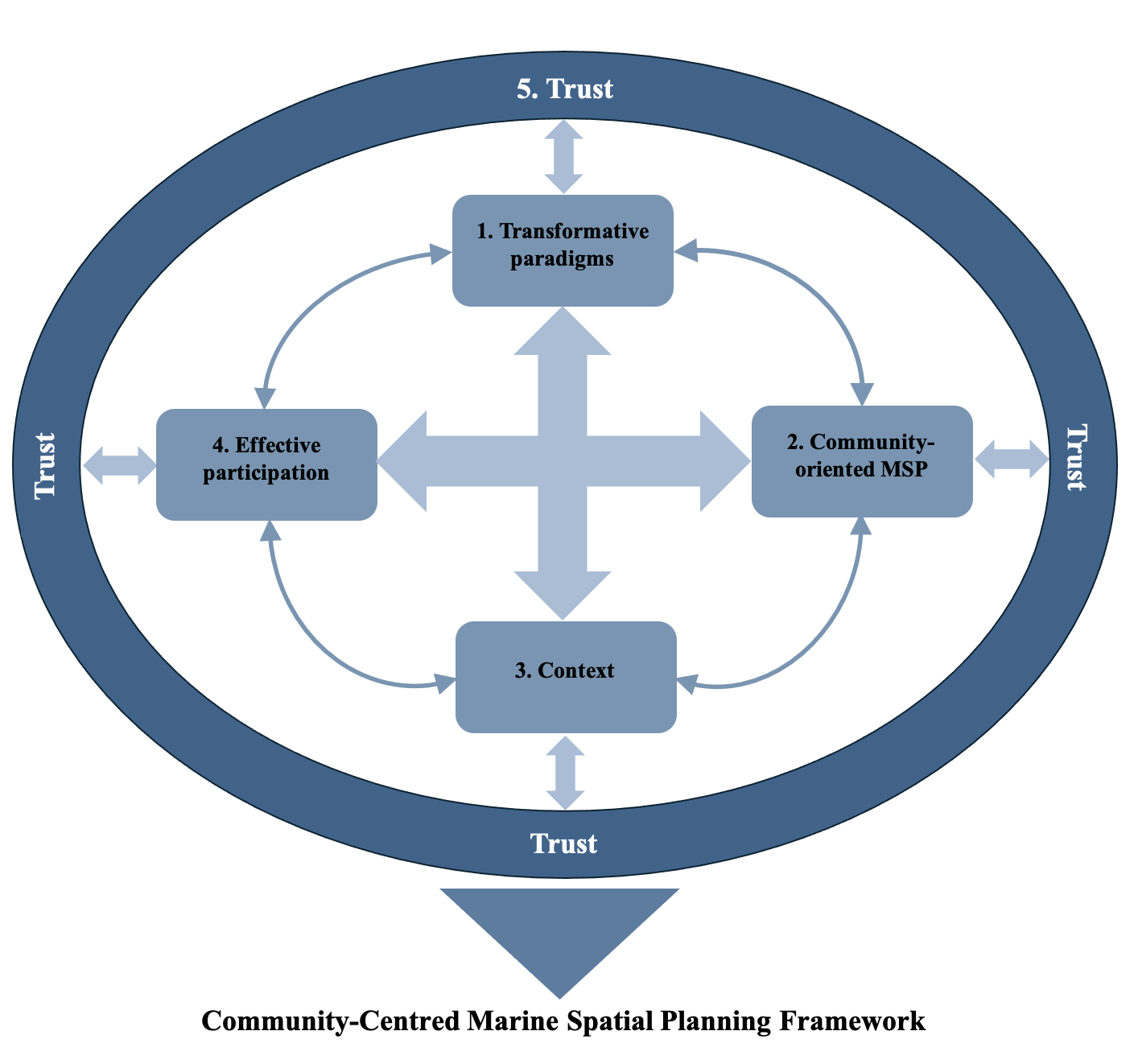 Figure 1. Community-Centred MSP Framework
The first dimension constitutes the paradigmatic foundations for transformative participation in MSP. It establishes the philosophical base of the framework by articulating two fundamental shifts that reorient how MSP should be understood and practiced (see Figure 2).
The first shift moves MSP from primarily a market tool to a public benefit tool. The MSP experts identified the need for MSP to transition from approaches prioritizing economic efficiency and sectoral optimization to approaches that explicitly maximize collective benefit—particularly for vulnerable populations. When communities perceive MSP is genuinely oriented for their benefit, local stakeholders are motivated to participate which contrast to the resistance often generated by extractive, market-driven approaches.
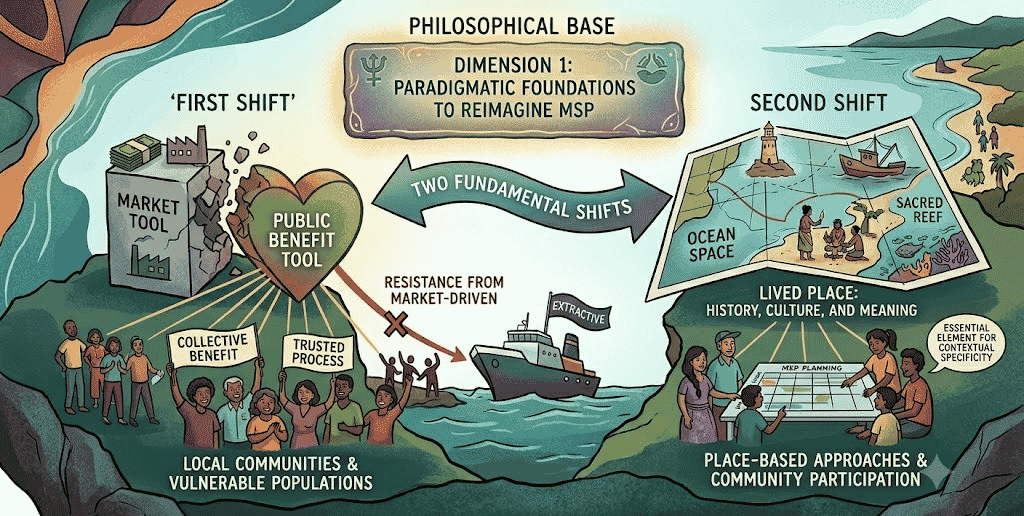
Figure 2. Paradigmatic foundations for transformative participation in MSP
The second shift transitions thinking away from understanding the ocean as an abstract space to recognizing it as a lived place with history, culture, and meaning. Place-based approaches connect MSP with local communities by adapting the planning process to the distinctive characteristics of each geographical and social context. The outcome positions community participation not merely as an operational requirement, but as an essential element for achieving the contextual specificity that defines the approach. Together, these two shifts represent a paradigm change in how Marine Spatial Planning should be perceived.
The second dimension positions the community as the core of MSP planning and engagement. This dimension translates the philosophical foundation of the first dimension into practice by arguing that coastal communities should be empowered co-creators of the MSP process not simply passive recipients of planning decisions.
The interviews with the MSP experts identified four operational transformations that community-centred MSP requires. First, local community benefit must be a key objective of the MSP process, with local stakeholders participating in defining the objectives of the process from the outset. Second, planning success should be measured not only through technical or economic metrics, but through the actual impact of the process on local communities. Third, local stakeholders must be recognized as co-creators of the MSP process, that is, collaborators in marine management solutions whose local knowledge and experience are as valuable as scientific expertise. Fourth, meaningful empowerment requires a real transfer of decision-making power to communities, beyond unidirectional government consultations.
Recognition that coastal communities are not simply geographical groupings underpins these four transformations. Coastal communities present distinctive characteristics, internal diversity, and a legitimate right to influence decisions concerning their marine spaces. Community participation in MSP is the exercise of a legitimate interest, not merely a procedural requirement.
The third dimension addresses the role of context in shaping local stakeholder participation. This dimension provides an analytical framework that enables the adaptation of participatory strategies to specific local realities making the framework genuinely place-based rather than a generic model.
This dimension considers eight contextual factors noted above. Interviews with the SSBF experts revealed that public participation in the planning area has progressively improved over time but faces persistent limitations including opaque participatory processes and resistance to change. Governance structures can both enable and limit participation. Power differentials tend to favour stakeholders with greater economic resources and political connections, and demographic challenges, such as an aging population and educational hierarchies, shape who participates and how. At the same time, the experts highlighted enabling conditions. Nova Scotians strongly identify with their coastal areas, which can motivate participation. In addition, communities are experiencing growing cultural and demographic diversity, which broadens participatory perspectives.
The key insight of this dimension is that a participatory strategy should not be applied without first understanding the contextual factors. Contextual sensitivity is precisely what makes the CC-MSP Framework place-based.
The fourth dimension operationalizes the framework by providing specific mechanisms to answer four key questions: who participates, how, when, and to what intensity.
On the question of who, the research identified five identity communities that should be systematically included in any MSP process: the knowledge community, the environmental protection and conservation community, the marine space users community, the Indigenous community, and the local resident community. Stakeholder identification should combine stakeholder mapping, list-based identification, and application of the snowball method to overcome the “usual suspects syndrome,” namely, the tendency of planning processes to engage the same voices while missing others. Selection should prioritize diversity, transparency, social justice, and maximum inclusivity, giving priority to those with the most to gain or lose from marine planning decisions.
Regarding the question of how, the key principle is that “form follows function. That is, the purpose of participation must be defined before selecting methods or tools. The sectoral representatives expressed a clear preference for direct collaborative-interactive methods that foster interpersonal relationships and mutual understanding. Participatory mapping was particularly emphasized as especially useful for MSP, as it transforms lived experiences and perceptions into usable spatial information.
Concerning the question of when, early and sustained engagement are key. The MSP experts reconceptualized early participation through the concept of “step zero,” which refers to engagement that precedes the establishment of the basic terms of reference. Successful engagement processes described by the practitioners involved face-to-face meetings every six to eight weeks, demonstrating that intensive and sustained engagement is operationally feasible when properly structured.
Finally, on the question of intensity, the research found that participation typically follows a structured progressive pattern, moving from lower-intensity information-sharing in the initial stages toward higher-intensity collaboration as the process advances. Two approaches emerged: a partnership approach, where communities and government co-create new organizational structures based on a shared vision, and an adaptive influence approach, which recognizes that the degree of involvement may differ among decision types, stakeholder groups, and contextual factors.
The fifth dimension presents trust as a cross-cutting element that permeates all other dimensions and ultimately determines the success or failure of the participatory process. Trust is not simply an additional component. It is the foundational substrate upon which the entire framework operates. Without trust, MSP processes are destined to fail or, at best, become hollow bureaucratic exercises.
Trust operates through two interrelated ways: interpersonal trust, i.e., the relationships built between planners and community members, and process trust, namely, confidence that the MSP process is fair, transparent, and genuinely influential. This research showed that no single institution is universally trusted by all sectors in Nova Scotia. This finding challenges simplistic approaches to MSP leadership and points toward multi-stakeholder leadership as the most appropriate model where government agencies, NGOs, academic institutions, and community representatives share responsibility for guiding the process while contributing different forms of expertise and legitimacy.
The research identified four trust-building strategies. First, systematization of engagement processes, which involves developing uniform mechanisms and rules that ensure equitable treatment and avoid unofficial participation pathways. Second, leveraging local resources and relationships, as stakeholders tend to feel more comfortable within familiar structures. Third, a trust-by-groups strategy, which involves conducting separate engagement processes for each stakeholder group before organizing inter-group interactions and particularly useful when historical tensions exist between sectors. Fourth, the use of informal spaces such as field trips, dialogue dinners, and community gatherings, which provide opportunities for building interpersonal relationships that formal meetings rarely achieve.
Beyond these four strategies, specific trust-creation actions include transparency and process clarity, visible influence (ensuring that stakeholder contributions are reflected in planning outcomes), effective and culturally appropriate communication, and the use of safe and respectful engagement environments.
Contribution of the Research
This research posits that meaningful community engagement is both possible and beneficial. Unlike many studies that stop at diagnosing the problem of exclusion, the CC-MSP Framework provides an actionable path forward. Its value lies precisely in moving from critique to solution: offering planners, government agencies, and communities themselves a comprehensive, evidence-based tool for designing participatory processes that are inclusive, context-sensitive, and grounded in trust.
Coastal communities in Nova Scotia—fishers, Mi’kmaq First Nations, aquaculture workers, conservation advocates, and local residents—possess knowledge, stakes, and rights concerning the marine spaces they inhabit and depend upon. A planning process that sidelines them is not just procedurally weak; it is ethically indefensible. Application of the CC-MSP Framework both in Nova Scotia and other marine settings is an invitation to reimagine what marine spatial planning can look like when communities are placed at the centre rather than at the margins of the planning processes.
Marine Spatial Planning is about people. The communities whose livelihoods, cultures, and futures are intertwined with the sea deserve more than a seat at the table—they deserve to help set it.
References
Ehler, C. N. (2021). Two decades of progress in marine spatial planning. Marine Policy, 132. https://doi.org/10.1016/j.marpol.2020.104134
Flannery, W., Lynch, K., & Cinnéide, M. Ó. (2018). Consideration of fisheries issues in the marine planning process in Scotland. Ocean & Coastal Management, 158, 93-102. https://doi.org/10.1016/j.ocecoaman.2018.03.033
IOC-UNESCO. (2024). State of the ocean report (IOC Technical Series, 190). https://doi.org/10.25607/4wbg-d349
Koehler L., Knittweis L. and Borg J.A. (2017). Stakeholder involvement in marine spatial planning. In: Özhan E. (ed.), Proceedings of the thirteenth International MEDCOAST congress on coastal and marine sciences (pp. 37-48). Management and Conservation.
Martinez Calderon, D. (2026). Designing a place-based decision-making framework for fostering meaningful stakeholder engagement in marine spatial planning. [Doctoral dissertation, Dalhousie University].
Psuty, I., Kulikowski, T., & Szymanek, L. (2020). Integrating small-scale fisheries into Polish maritime spatial planning. Marine Policy, 120, 104116. https://doi.org/10.1016/j.marpol.2020.104116
Pyć, D. (2019). Implementation of marine spatial planning instruments for sustainable marine governance in Poland. TransNav: International Journal on Marine Navigation and Safety of Sea Transportation, 13(2), 311-316. https://doi.org/10.12716/1001.13.02.06
Rivers, N., Strand, M., Fernandes, M., Metuge, D., Lemahieu, A., Nonyane, C. L., Benkenstein, A., & Snow, B. (2023). Pathways to integrate Indigenous and local knowledge in ocean governance processes: Lessons from the Algoa Bay Project, South Africa. Frontiers in Marine Science, 9. https://doi.org/10.3389/fmars.2022.1084674
Tafon, R. V. (2018). Taking power to sea: Towards a post-structuralist discourse theoretical critique of marine spatial planning. Environment and Planning C: Politics and Space, 36(2), 258-273. https://doi.org/10.1177/2399654417707527
Wilke, M. (2023). Public participation in marine spatial planning in Iceland. Frontiers in Marine Science, 10, 1154645. https://doi.org/10.3389/fmars.2023.1154645
Author: Daniel Martinez Calderon

Daniel Martinez Calderon is a 2026 graduate of the Interdisciplinary PhD program offered by Dalhousie University. This blog entry is based on his doctoral dissertation, which developed a place-based decision-making framework to foster meaningful local stakeholder engagement in Marine Spatial Planning, using the Scotian Shelf and Bay of Fundy Planning Area as a case study.
Images: All of the figures and pictures in this post were prepared by Daniel Martinez Calderon.
Tags: Information Use & Influence; Marine & Ocean Issues; Public Policy & Decision-Making